News

Home > News

Common Poultry Water and Feed Equipment Mistakes That Drain Your Profits And How to Fix Them

Pulished on Apr. 28, 2026
Poultry farming is full of small decisions that add up to big profits or big losses. When it comes to water and feed equipment, including nipple drinkers, poultry watering lines, and poultry feeding lines, even seemingly minor mistakes can lead to thousands of dollars in wasted feed, high water bills, and unhealthy flocks. Most of these issues aren’t caused by bad luck—they’re caused by avoidable errors in choosing, installing, or maintaining these critical systems. In this article, we break down the most common mistakes poultry farmers make with water and feed equipment, and share simple, practical fixes to protect your bottom line.
Choosing the Wrong Nipple Drinkers for Your Flock
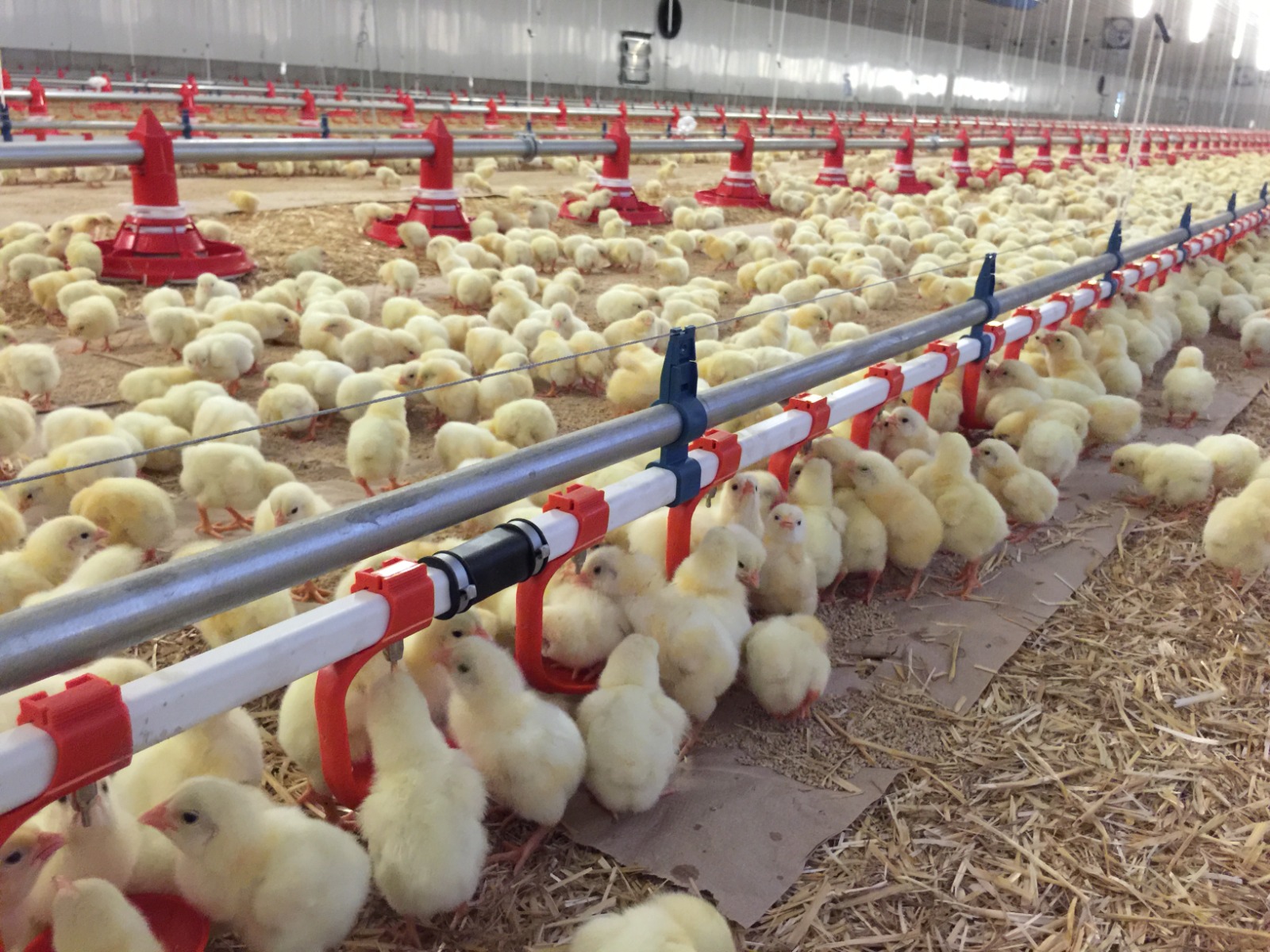
Nipple drinkers are the foundational component of poultry watering lines, designed to fit specific poultry and small livestock, but many farmers pick a one-size-fits-all option that doesn’t work for their flock. Using the wrong type can lead to constant leaks, contaminated water, or birds struggling to drink enough. For example, using a standard chicken nipple drinker for rabbits can cause water waste, while uncoated plastic drinkers may corrode quickly and spread bacteria.

Match your drinkers to your animals and farm needs. For multi-species farms, chicken rabbit nipple drinkers offer versatility. For long-lasting use, stainless steel screwed or push-in chicken nipple drinkers resist corrosion and leaks. Float valve type chicken nipple drinker cups are ideal for farms needing consistent water levels, and dedicated stainless steel rabbit nipple drinkers ensure proper access for smaller livestock. These nipple drinkers work seamlessly with poultry watering lines to deliver clean, reliable water every day.
Common Poultry Water and Feed Equipment Mistakes That Drain Your Profits And How to Fix Them

Neglecting Watering Line Maintenance
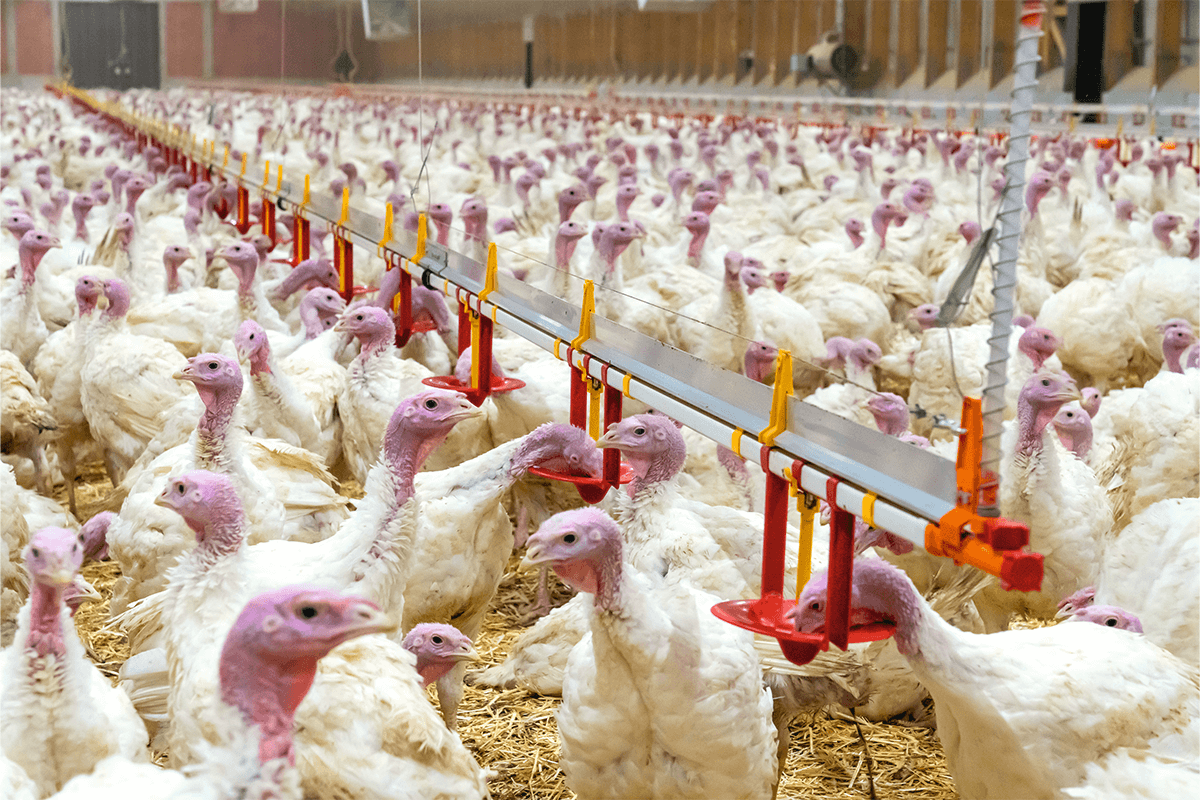
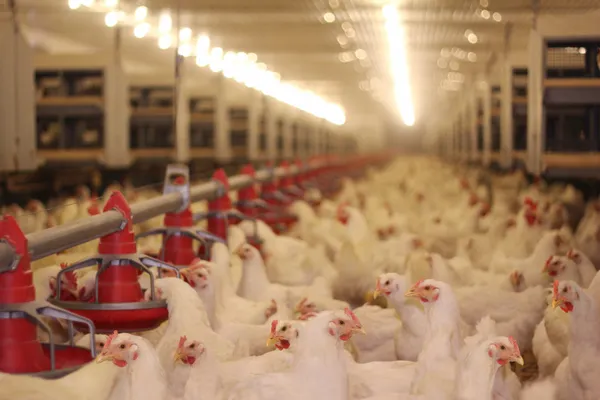
A poultry watering line system is made of interconnected parts, including PVC water pipes, water filters, water pressure regulators, and water line hanging systems, and ignoring even one can cause the whole system to fail. Skipping filter changes, ignoring small leaks in PVC round water pipes or PVC square water pipes, or forgetting to calibrate water pressure regulators and end kits can lead to low water flow, dirty water, or burst lines. Over time, this leads to stressed birds, increased disease risk, and sky high water bills.

Build a simple maintenance routine for your poultry watering lines. Clean water filters regularly to remove sediment, check PVC pipe fittings for cracks or leaks, and test water pressure monthly. For easy adjustments as birds grow, use galvanized pulleys and a water line hanging system to keep lines at the right height. Many farmers also add automatic hanging bell drinkers as a backup to ensure birds always have access to water, even if the main line needs repairs. Regular care keeps your poultry watering lines running efficiently and extends the life of every component.
Common Poultry Water and Feed Equipment Mistakes That Drain Your Profits And How to Fix Them

Failing to Adjust Feeding Line Height as Birds Grow
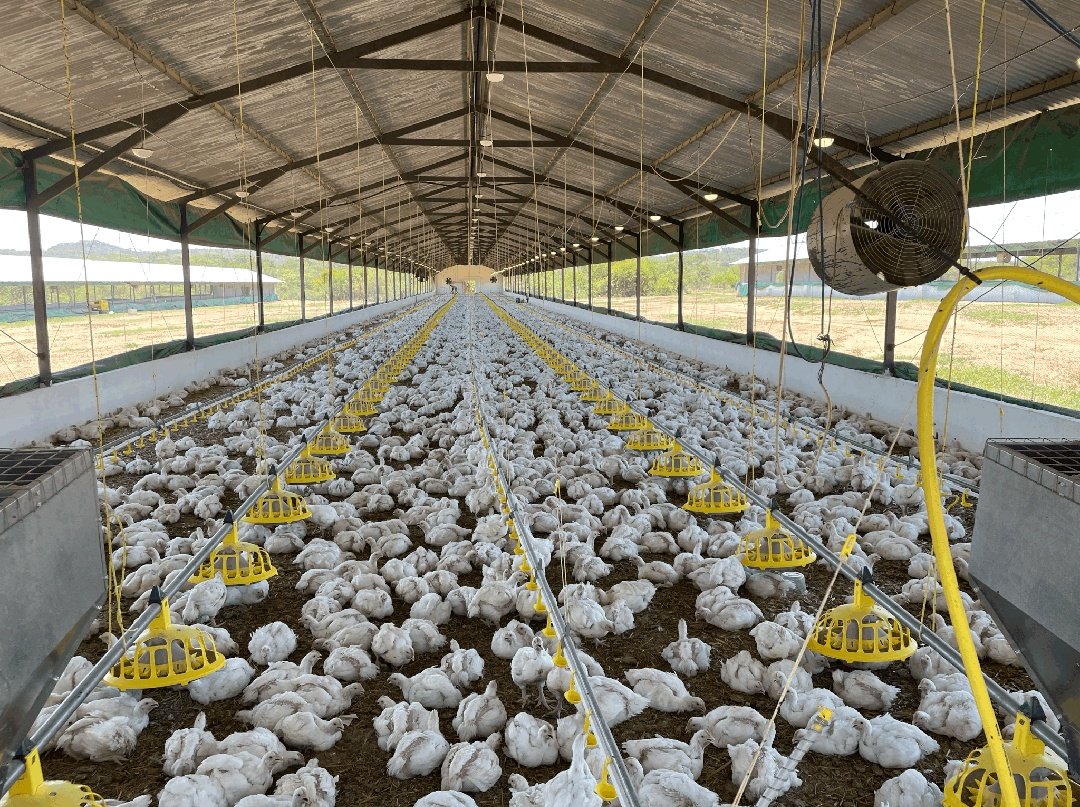
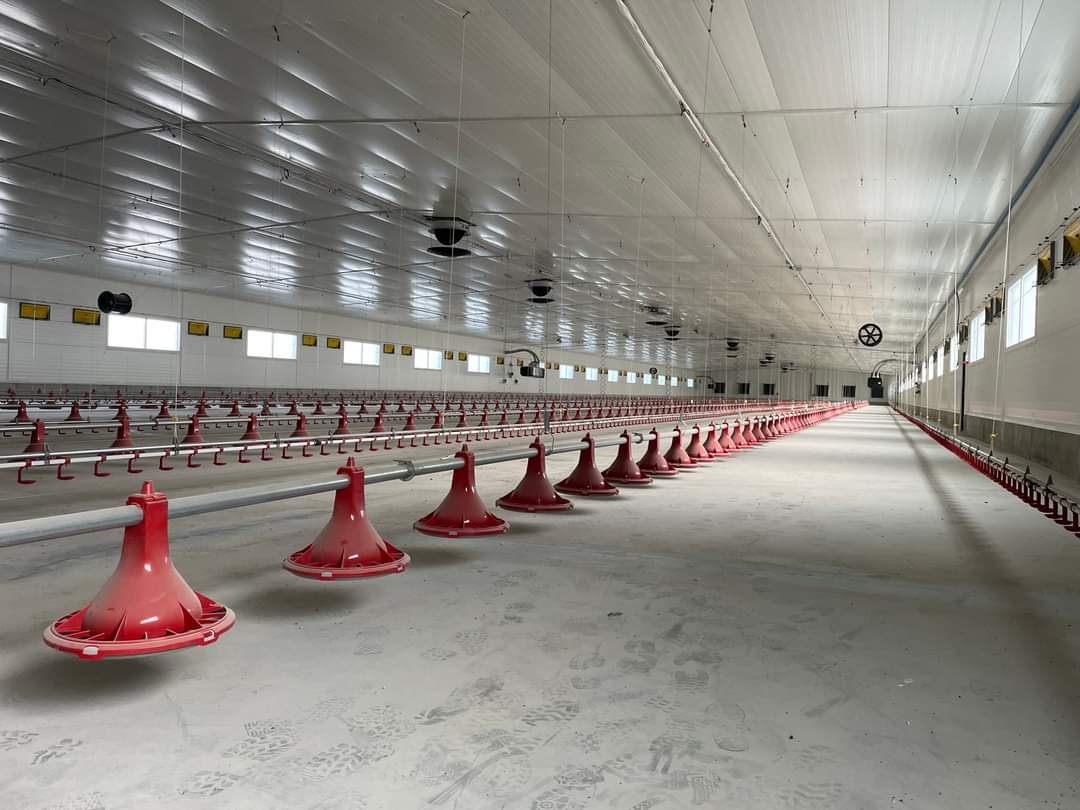
Poultry feeding line systems, which include winch systems, feeding pipes, and pan feeder systems, are designed to grow with your flock, but many farmers set them once and forget them. If poultry feeding lines are too low, birds will step in feed, causing waste and contamination. If they’re too high, smaller birds can’t reach the feed, leading to uneven growth and lower productivity.

Use adjustable winch systems to raise or lower the poultry feeding line as your birds mature. Pair this with pan feeder systems featuring poultry feeder pan trays with different grille designs—these adapt to bird size, ensuring every chicken has equal access to feed. For small farms or supplementary feeding, chicken feeders plastic buckets offer a simple, adjustable alternative. Keeping poultry feeding lines at the right height ensures uniform feeding and minimizes feed waste at every growth stage.
Common Poultry Water and Feed Equipment Mistakes That Drain Your Profits And How to Fix Them

Using Poor-Quality Feed Storage and Delivery
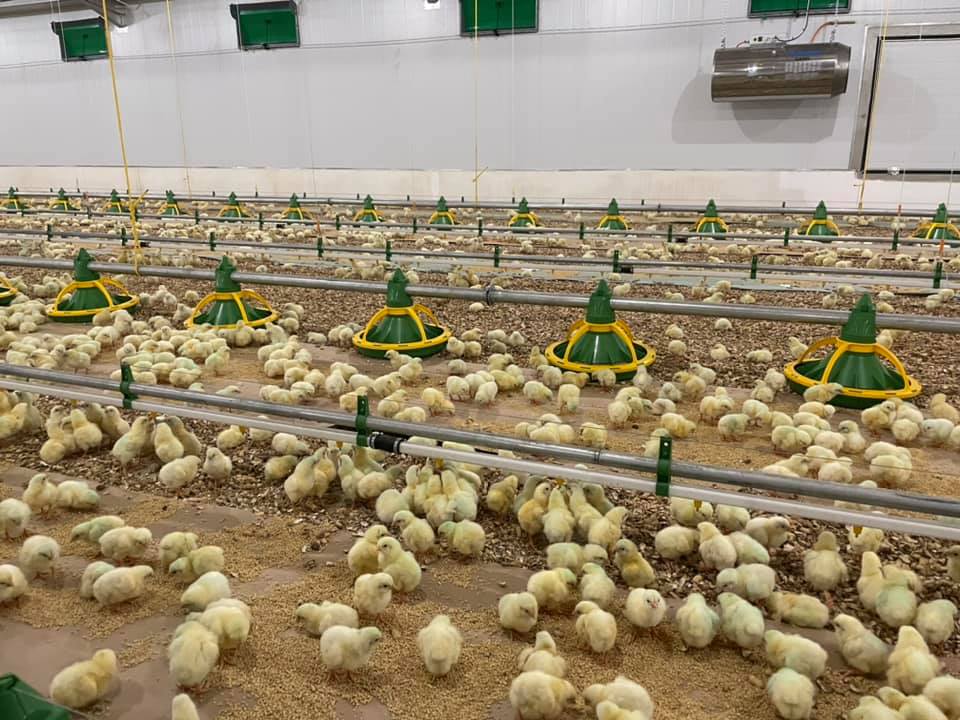
Feed waste is one of the biggest hidden costs in poultry farming, and it often starts with bad storage for poultry feeding line systems. Without proper feed silos or feed hoppers, feed can get wet, moldy, or infested with pests, leading to lost feed and sick birds. Even with good storage, a poorly maintained auger delivery system, part of poultry feeding line systems, can cause clogs, uneven feed distribution, or feed spoilage during transport.

Invest in sealed, durable feed silos or feed hoppers to keep feed fresh and pest-free. Pair them with a well-maintained auger delivery system and feeding pipes to ensure feed flows smoothly and evenly to every feeder pan. This not only reduces waste but also improves feed conversion ratios, helping you get more out of every bag of feed. High quality storage and delivery components are key to making your poultry feeding lines work at their best and keeping feed loss to a minimum.
Common Poultry Water and Feed Equipment Mistakes That Drain Your Profits And How to Fix Them

Overlooking Small Installation Details
Many farmers focus on the big-ticket equipment, like poultry watering lines and poultry feeding lines, but ignore small installation details that make a huge difference. For example, skipping hanging pieces and anti-roost pieces can cause poultry feeding lines to sag or get dirty, while using incompatible soft plastic water hoses can lead to leaks or kinks in the poultry watering lines. These small oversights add up to frequent repairs, wasted time, and reduced equipment lifespan.

Use all recommended installation accessories for your poultry watering lines and poultry feeding lines. Hanging pieces keep feeding lines stable, while anti-roost pieces prevent birds from perching on the lines and contaminating feed. For poultry watering lines, use high-quality soft plastic water hoses and compatible PVC pipe fittings to avoid leaks and kinks. Taking the time to install these small parts correctly saves hours of headaches later and keeps both poultry watering lines and poultry feeding lines working reliably.

Common Poultry Water and Feed Equipment Mistakes That Drain Your Profits And How to Fix Them

Protect Your Profits With Smart Equipment Choices
The good news is that most poultry water and feed equipment mistakes, related to nipple drinkers, poultry watering lines, and poultry feeding lines, are easy to fix with the right knowledge and tools. By choosing the right components for your flock, maintaining your systems regularly, and paying attention to small details, you can cut waste, improve flock health, and boost your farm’s profitability. Investing in reliable, well-designed nipple drinkers, poultry watering lines, and poultry feeding lines isn’t just about buying tools—it’s about protecting the hard work you put into your farm every day.


View More information about chicken farm

Raising ducks in summer to prevent heatstroke, reduce heat and prevent heat stress


View our Youtube More breeding equipment video


Phoenix Breeding Equipment: 20+ years of breeding equipment production and export experience. As a result of our high-quality products and outstanding customer service, we have gained a global sales network reaching Europe, North America, Southeast Asia, Africa, South America, etc. Successfully in use on both family-owned farms and large farm complexes. Providing individual and automatic equipment to feed your livestock: chicken drinking linechicken feeding linepoultry drinker and feederexhaust/ventilation fansegg Incubator, and so on breeding equipment.


CONTACT US

Phone:+86 19061974162 

Email: sales@goldphoenixa.com