News
For poultry farmers, selecting and using the right water and feed equipment is critical to reducing labor, cutting waste, and maximizing profits. Whether you run a small backyard farm or a large intensive operation, focusing on three core equipment categories—nipple drinkers, poultry watering lines, and poultry feeding lines—will help you build a efficient, low-maintenance system. This guide breaks down how to choose, use, and benefit from these essential tools, integrating all key equipment to meet your farm’s unique needs.
Core Equipment Category | Key Components | Specific Data & Advantages |
Chicken/rabbit nipple drinkers, float valve cups | Leakage rate <5%; Water waste reduction: 70%; Service life: ≥5 years | |
Labor saving: 80%; Water flow stability: ±0.5L/min; Leakage rate <3% | ||
Feed waste reduction: 30%; FCR improvement: 5%-8%; Feeding uniformity: 95% |
How to Choose and Use Nipple Drinkers
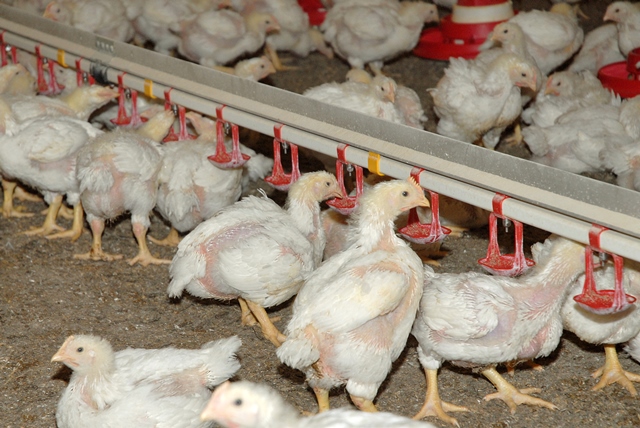
Nipple drinkers are the backbone of a hygienic poultry water system, and choosing the right type depends on your livestock species and farm size. Below is a quick reference for common types and their best uses:
Broilers, layers | Adaptable, fit 3+ house layouts | |
Long-term use | Corrosion-resistant, service life ≥5 years | |
Multi-species farms | Versatile, fit 2+ livestock types | |
Float Valve Drinker Cups | Water stability demand | Stable water level, leakage rate <5% |
Rabbit/mixed farms | Small size, 100% rabbit-adapted |
When using nipple drinkers, prioritize durability and hygiene—opt for corrosion-resistant materials to withstand daily use and easy cleaning. Install them at a height matching your birds’ growth stage to ensure easy access without leakage. Unlike open troughs, these drinkers keep water clean, reduce disease risk, and cut water waste, making them a cost-effective choice for any farm.
Building an Effective Poultry Watering Line System
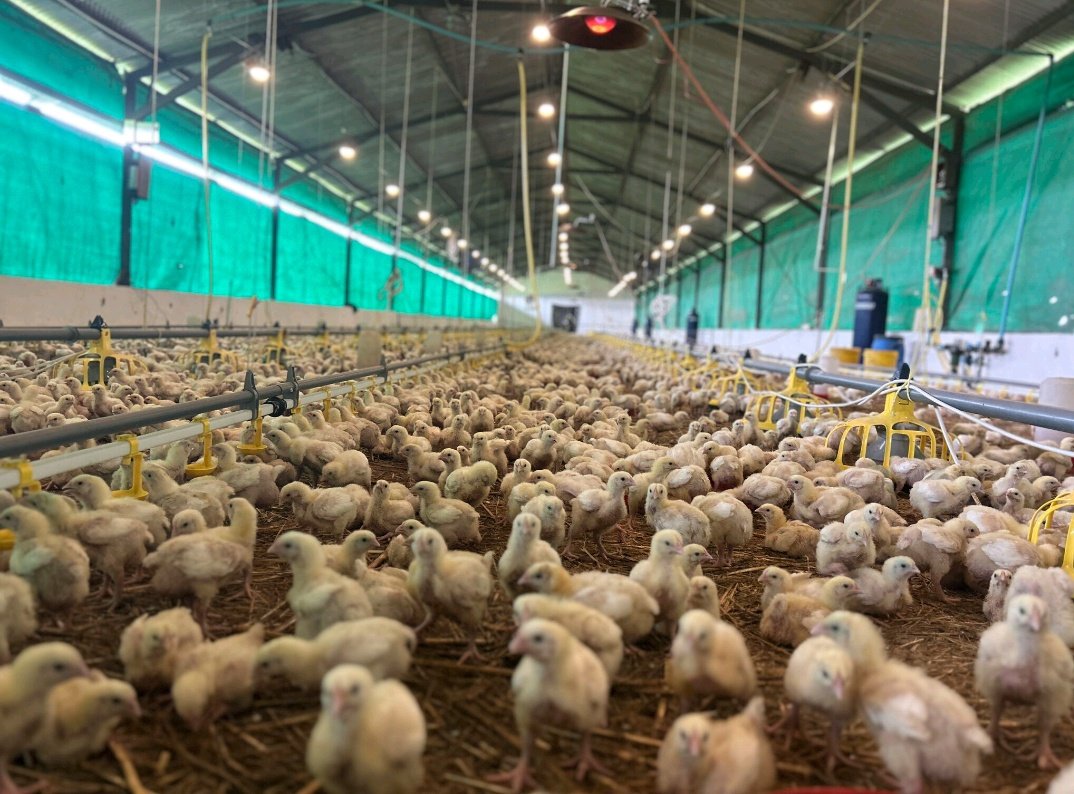
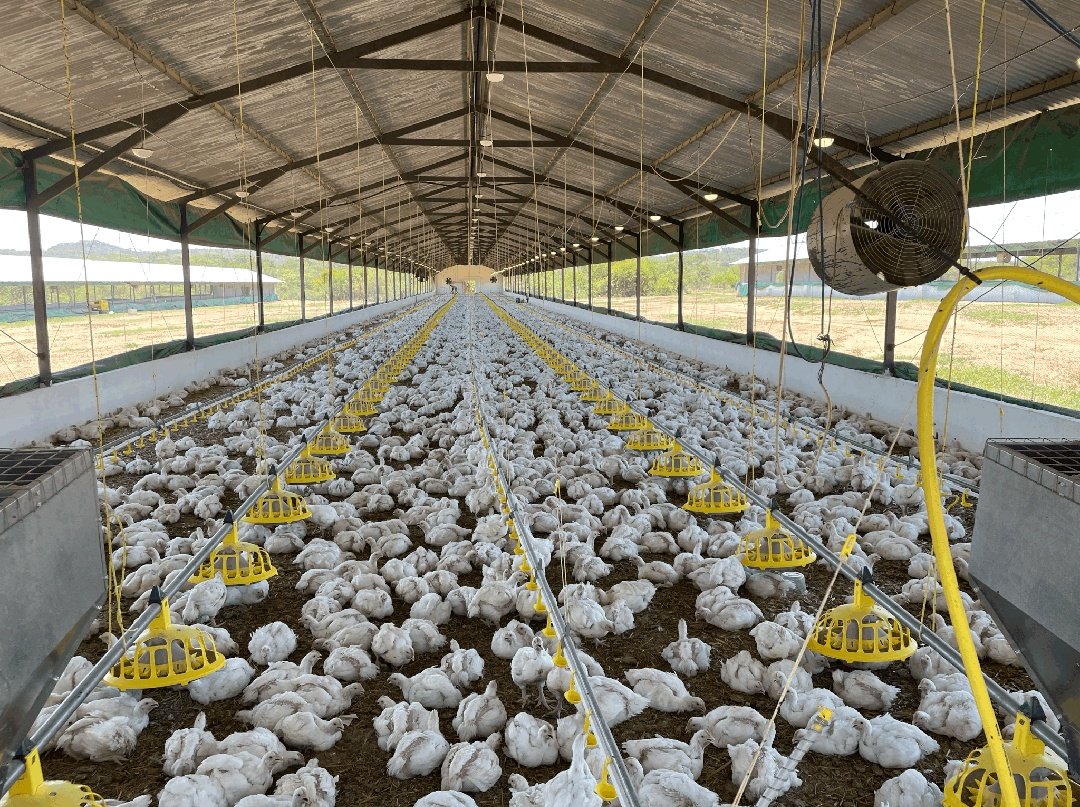
A well-designed poultry watering line system combines nipple drinkers with supporting components to deliver consistent, clean water. Start with durable PVC round water pipes, PVC square water pipes, or soft plastic water hoses for stable delivery, and use PVC pipe fittings to create a watertight connection that prevents leaks.
Add key components to enhance performance: water filters to remove impurities, water pressure regulators and end kits to maintain steady flow, and automatic hanging bell drinkers as a backup for flocks. Use galvanized pulleys and a water line hanging system to adjust the line height as birds grow, and choose lines with built-in cleaning systems to remove biofilm and residue, ensuring long-term water safety. With proper installation, these systems eliminate manual refilling, saving up to 80% of labor time and 70% of water waste.
Optimizing Poultry Feeding Lines for Uniform Growth
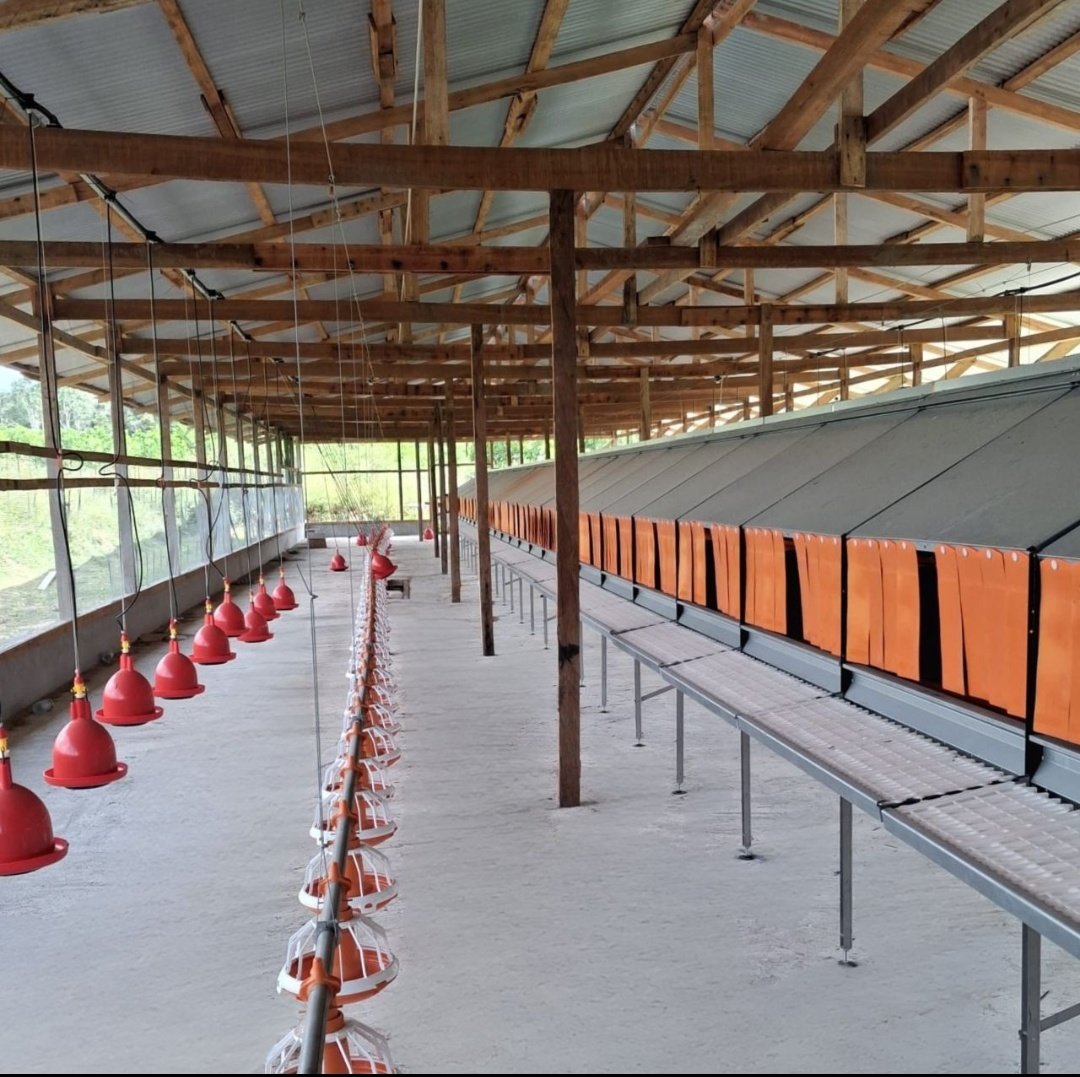
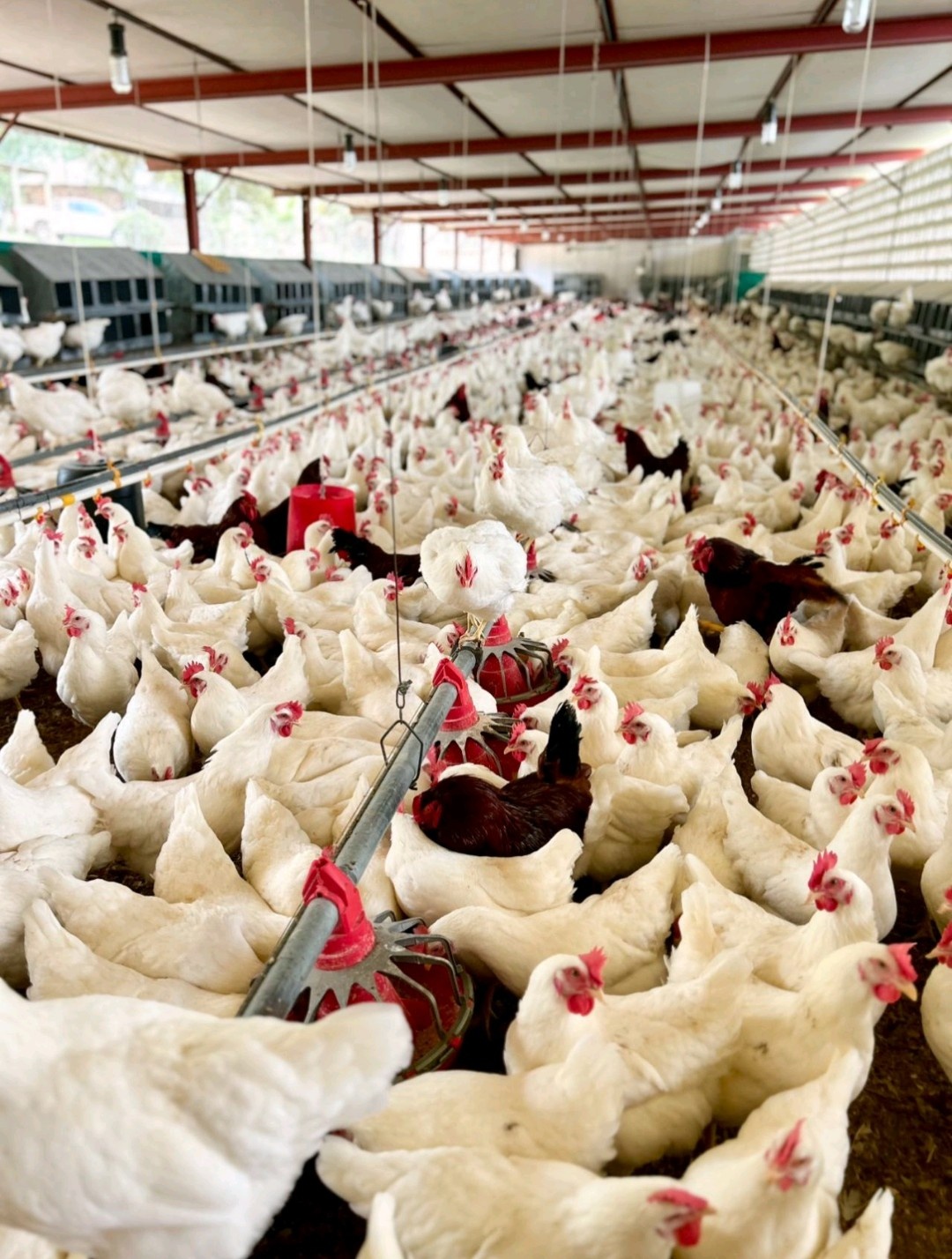
Poultry feeding lines automate the feeding process, ensuring every bird gets equal access to feed while minimizing waste. A complete system starts with sealed feed silos or feed hoppers to store feed safely, paired with auger delivery systems to transport feed smoothly through durable feeding pipes. Use pan feeder systems with poultry feeder pan trays (available in multiple grille designs for broilers and layers) to distribute feed evenly.
For small-scale operations or supplementary feeding, chicken feeders plastic buckets are a simple, reliable option. Use winch systems to adjust the line height as birds grow, and add feed sensors and drive motors to set precise feeding schedules. Hanging pieces and anti-roost pieces simplify installation and keep the system secure. By using these components together, you’ll cut labor costs, ensure uniform flock growth, and improve feed conversion ratios (FCR) for higher profitability.
Key Tips for Maximizing Equipment Value
Key Tips for Maximizing Equipment Value
• Regular Maintenance: Clean filters, check for pipe/fitting leaks, and adjust line heights regularly to ensure long-term performance.
• Farm-Size Matching: Small farms prioritize simple, easy-to-use equipment; large operations benefit from fully automated systems.
• Quality Investment: High-quality components reduce long-term maintenance costs and ensure consistent, reliable operation.
For poultry farmers looking to upgrade operations, focusing on nipple drinkers, poultry watering lines, and poultry feeding lines is the fastest way to boost efficiency and profits. These tools work together to create a sustainable, low-labor system that supports healthy flocks and long-term farm success.
View More information about chicken farm



View our Youtube More breeding equipment video
Phoenix Breeding Equipment: 20+ years of breeding equipment production and export experience. As a result of our high-quality products and outstanding customer service, we have gained a global sales network reaching Europe, North America, Southeast Asia, Africa, South America, etc. Successfully in use on both family-owned farms and large farm complexes. Providing individual and automatic equipment to feed your livestock: chicken drinking line, chicken feeding line, poultry drinker and feeder, exhaust/ventilation fans, egg Incubator, and so on breeding equipment.
CONTACT US
Phone:+86 19061974162
Email: sales@goldphoenixa.com
Pulished on Apr. 23, 2026


Copyright © Cangzhou Phoenix Breeding Equipment Co., Ltd. All Rights Reserved | Sitemap | Powered by