
News
High‑performance feeder pan and matched supporting parts are essential terminal products for standardized, high‑efficiency poultry raising. As the key executing unit of a complete poultry feeding line, the automatic chicken feeder pan largely determines feeding uniformity, feed utilization rate and the overall reliability of the whole pan feeder system. Quality feeder pan products serve as ideal supporting components for new‑build and retrofitted poultry farms, resolving typical feeding shortcomings caused by cheap generic accessories and improving the comprehensive performance of the full poultry feeding line.
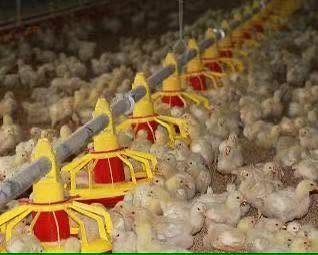
As intensive farming becomes mainstream, labor‑intensive manual feeding equipment has been replaced by height‑adjustable intelligent poultry feeding line. This automated pan feeder system delivers closed‑loop, non‑polluting and unattended feeding, whose operating effect heavily relies on the quality of terminal feeder pan and automatic chicken feeder pan. Budget‑priced generic products are manufactured with thin recycled plastics and oversimplified single‑layer structures, lacking anti‑spill, anti‑mildew and anti‑blocking capabilities. By contrast, well‑engineered feeder pan products adopt thick anti‑aging raw materials and optimized structural layouts, adapting to diverse raising environments and acting as dependable hardware for poultry feeding line installation and renovation.
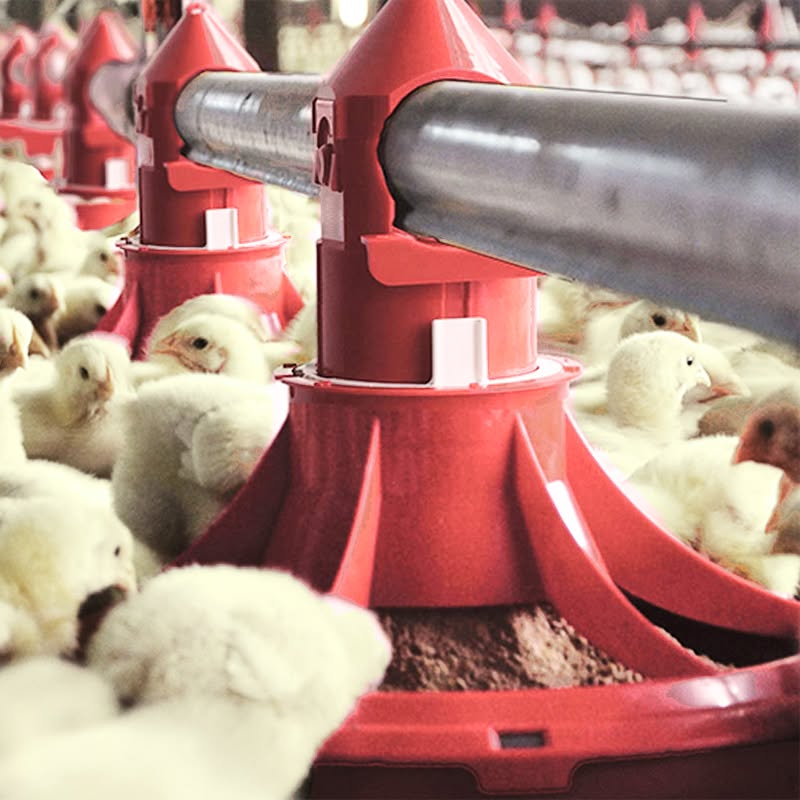
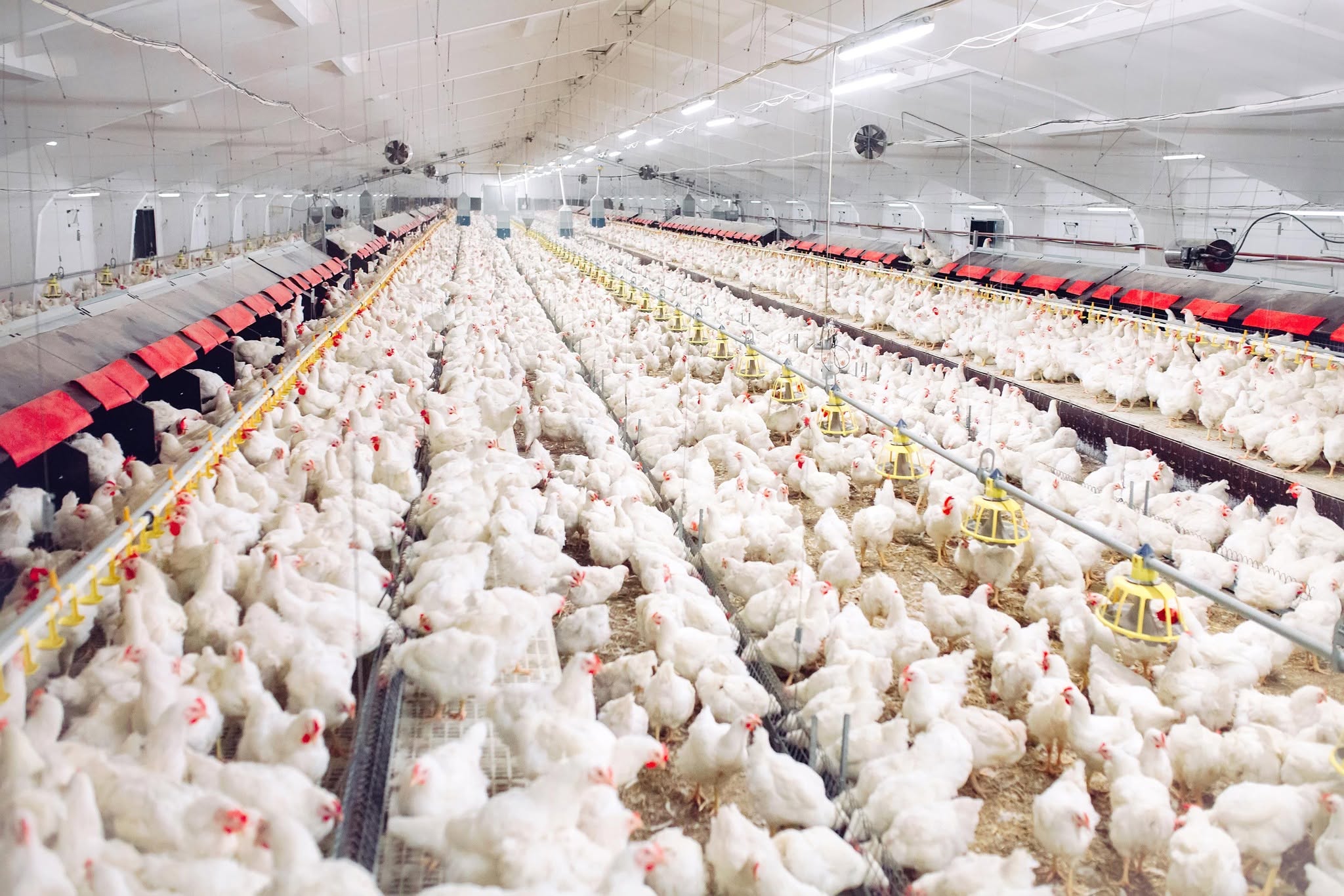
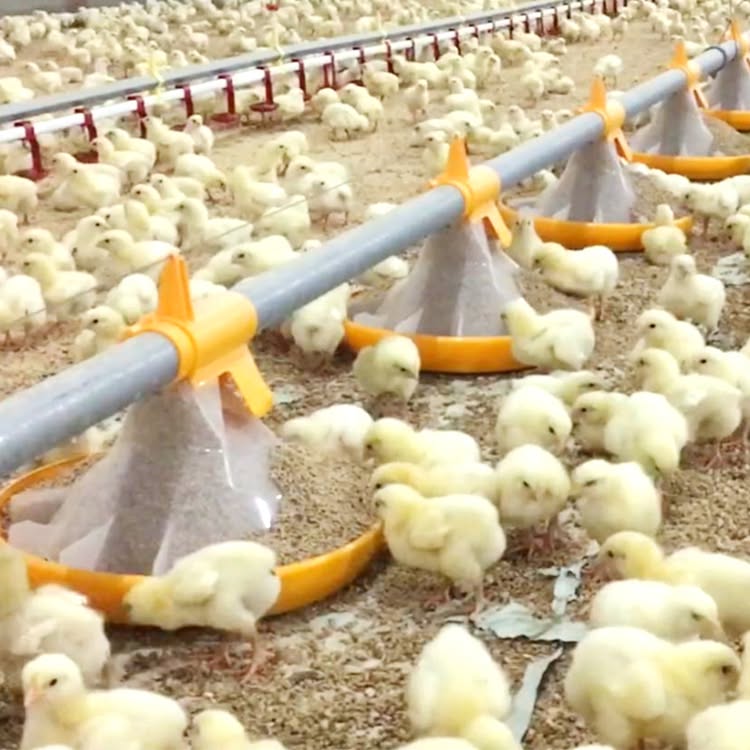
Large fully‑enclosed poultry barns require high‑sealing, high‑flow poultry feeding line cooperating with precision anti‑spill feeder pan. Multi‑grid anti‑peck structures on qualified automatic chicken feeder pan stop poultry from treading and scattering feed, effectively minimizing feed loss. Long‑cycle layer farms need thickened, wear‑resistant feeder pan assemblies to withstand high‑temperature, high‑humidity barn surroundings and long‑term abrasion. Chick‑rearing operations are better suited to lightweight shallow‑basin products, which lower feeding barriers for young birds and improve survival rates. Reliable feeder pan hardware comes with universal connecting interfaces for seamless compatibility with mainstream poultry feeding line and pan feeder system configurations on the market.
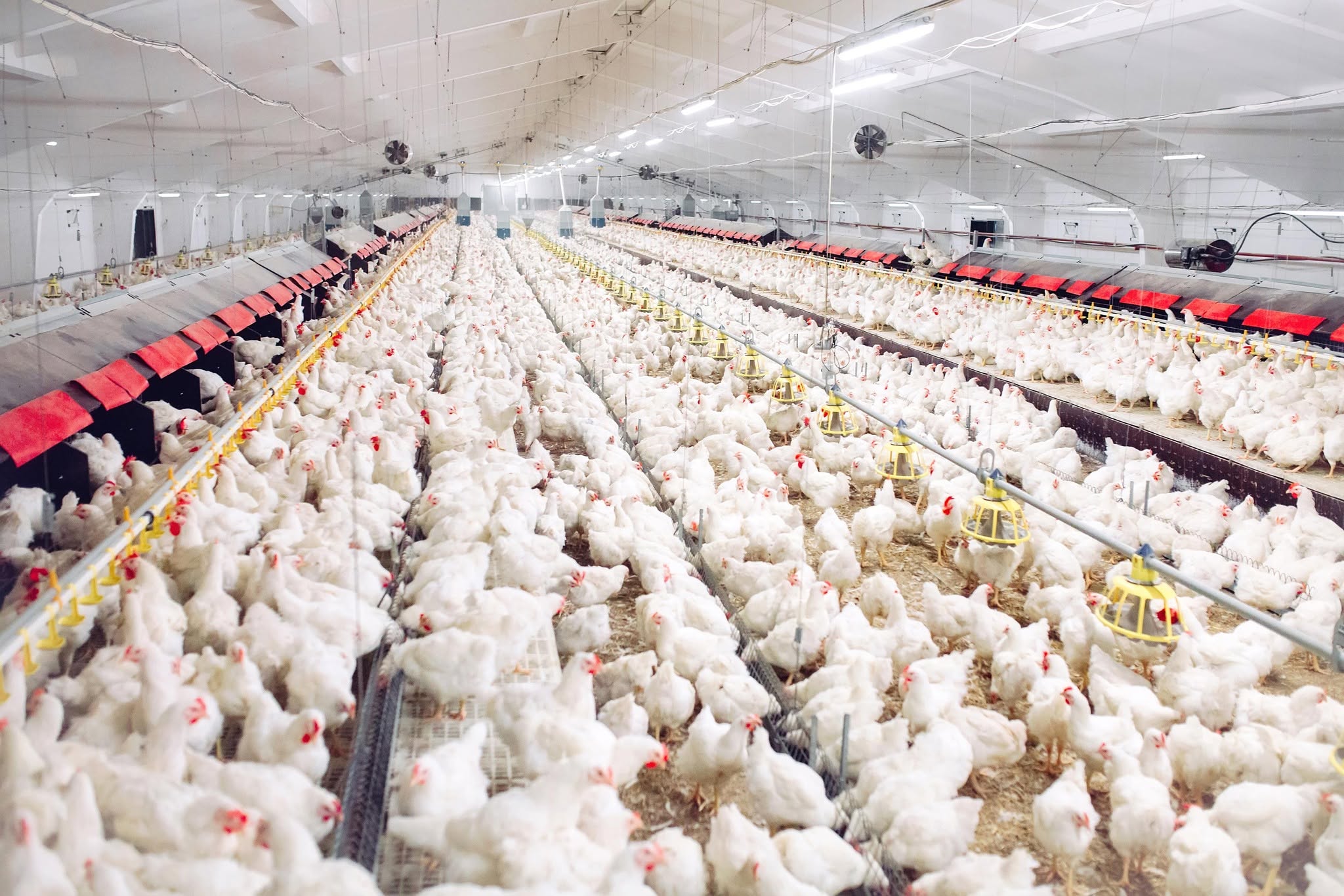
For year‑round continuous‑production layer farms, heavy‑duty feeder pan products feature outstanding anti‑clogging and anti‑aging performance. They realize consistent and even feed supply all day long, stabilize poultry feed intake and help promote laying rate and egg quality. For multi‑age mixed raising, adjustable versatile automatic chicken feeder pan improves the overall compatibility of the poultry feeding line, avoids repeated hardware replacement and lowers total breeding investment.
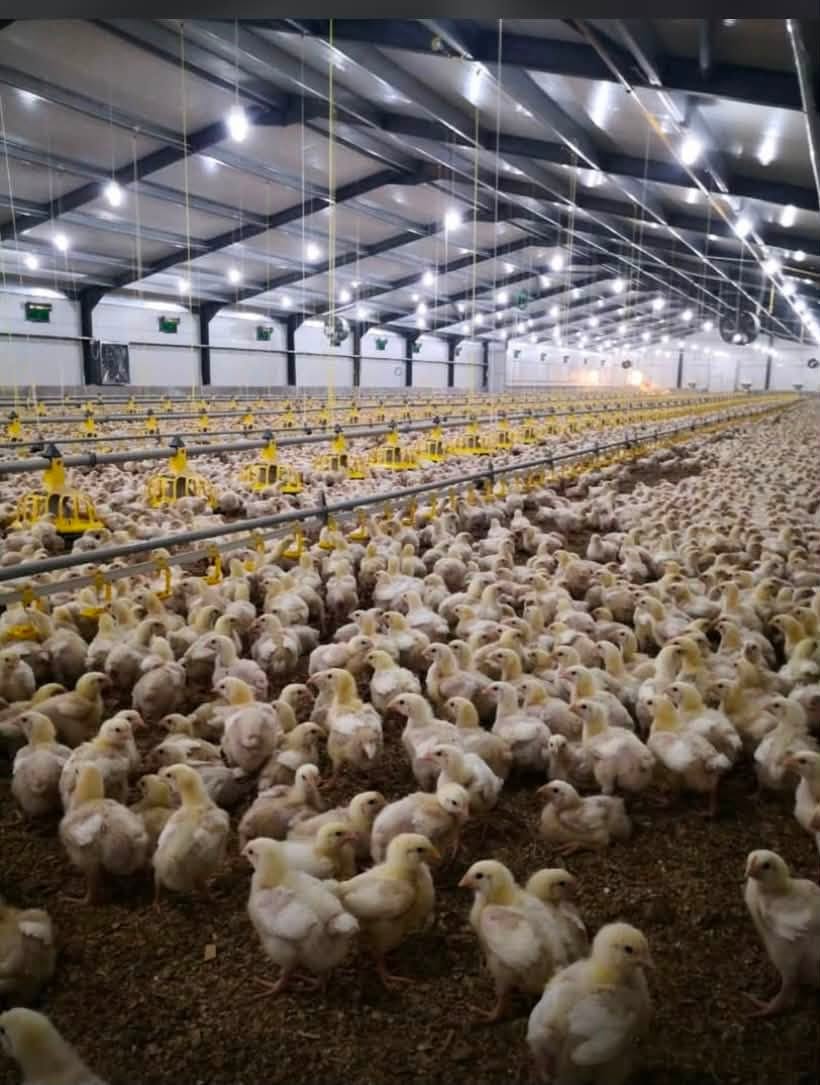
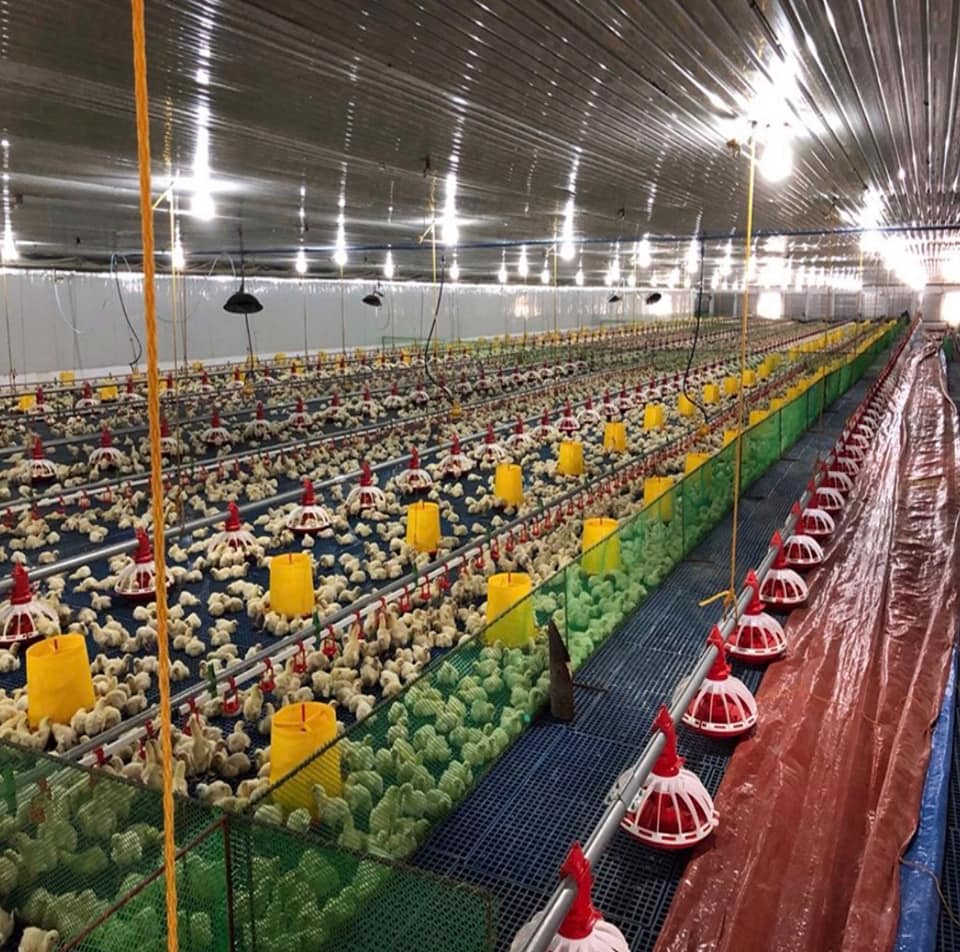
Besides, low‑grade products perform poorly for chick raising. Improper basin depth and absent anti‑peck guard structures create obstacles for young poultry to take feed, reducing chick survival rate and flock uniformity. Switching to standardized feeder pan and complete matching accessories eliminates these hidden risks, with structures specially optimized for poultry eating habits and actual running characteristics of the poultry feeding line.
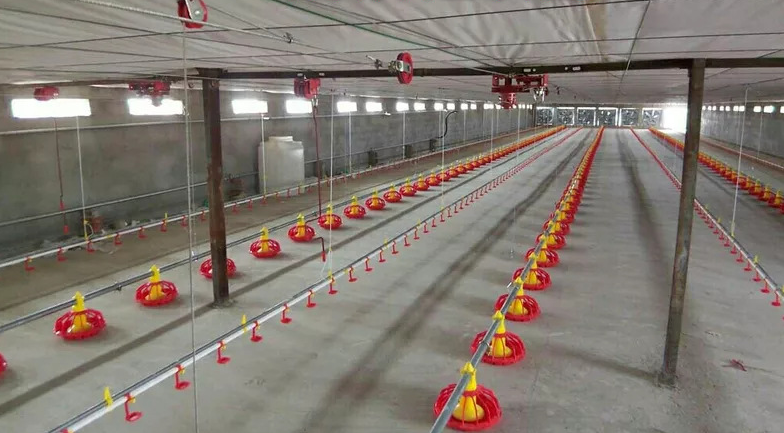
Thirdly, daily maintenance burden is reduced. High‑quality automatic chicken feeder pan products adopt corrosion‑resistant and heat‑resistant materials to fit harsh barn environments. They reduce frequent part replacement and pipeline clearing work required by inferior accessories, support long‑term stable operation of the poultry feeding line, and save considerable labor and maintenance costs every year.
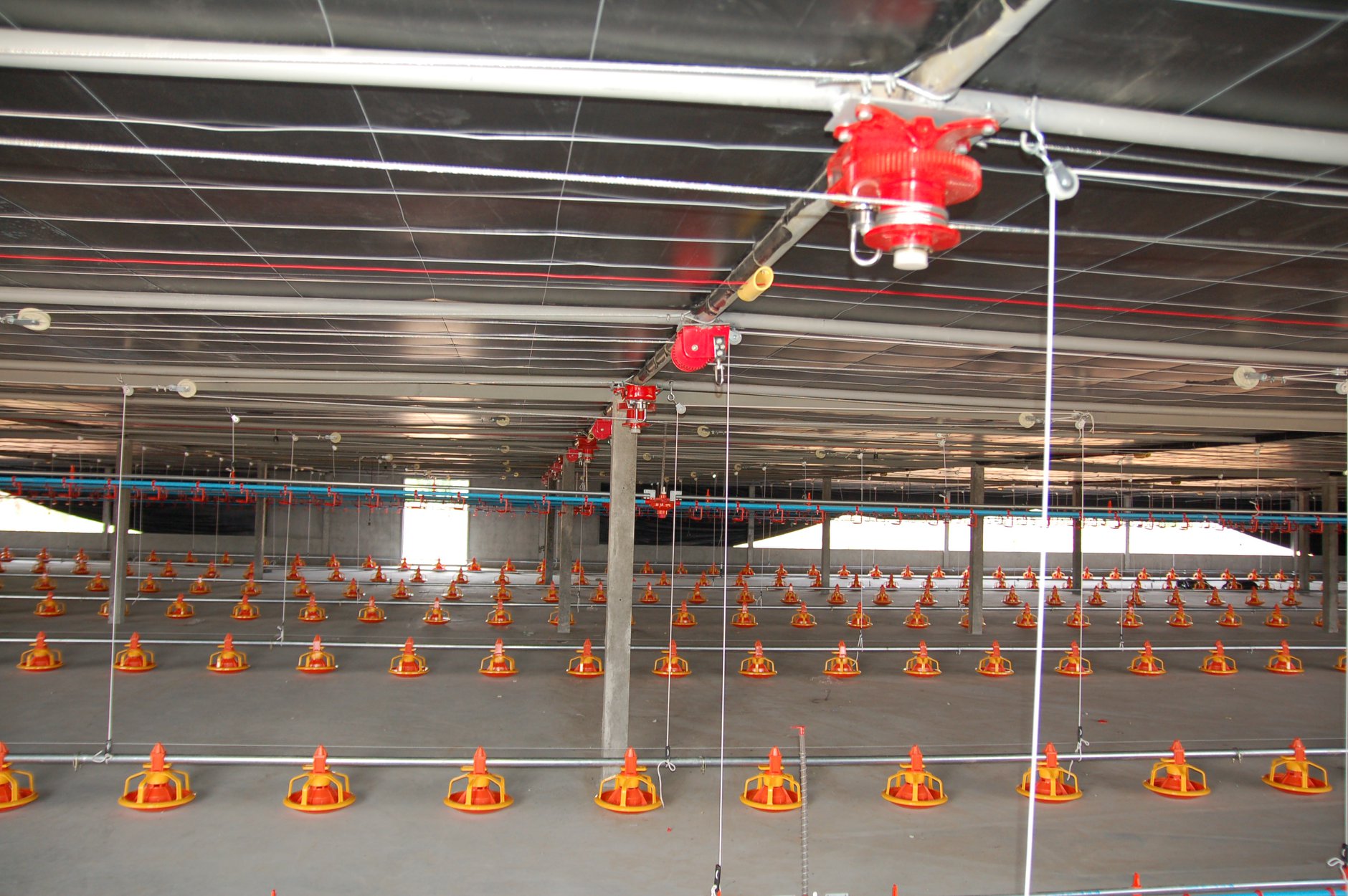
In daily management, flush poultry feeding line pipelines periodically and clean residual feed inside each feeder pan, to prevent mildew and blockage. Regular inspection and upkeep of all core products ensure stable feed transportation and good feeding effect, sustaining long‑run efficient work of the automatic feeding setup.
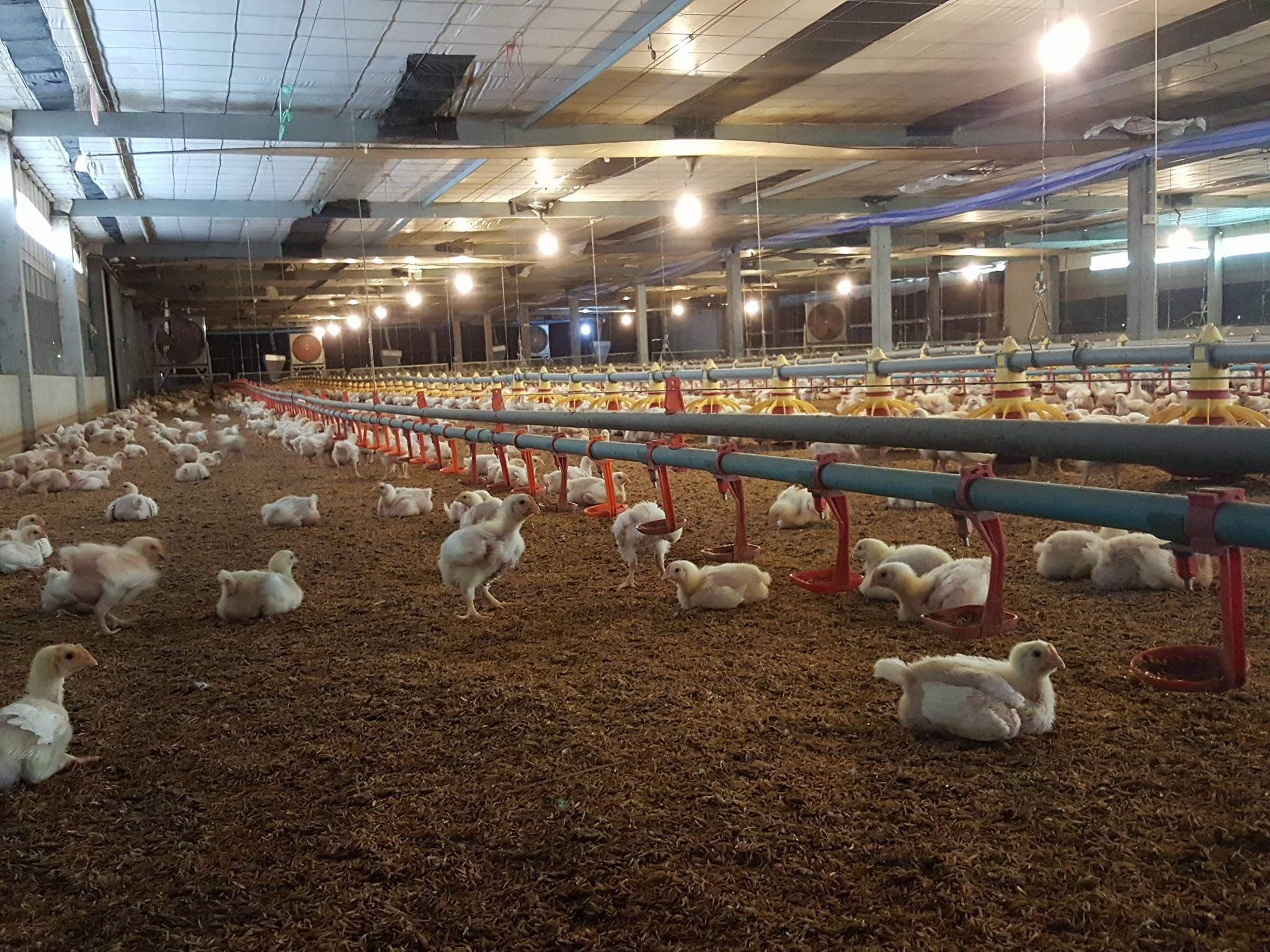
The automatic poultry feeding line constitutes fundamental infrastructure for modern intensive poultry farming. Terminal feeder pan and automatic chicken feeder pan are decisive components that determine the overall performance of the whole pan feeder system. Adoption of high‑standard products solves many well‑known pain points of traditional feeding equipment, achieving goals including feed conservation, hygienic breeding and low‑cost maintenance. Reliable feeder pan hardware helps poultry farms build efficient, stable and labor‑saving automatic feeding systems, bringing sustainable economic benefits for long‑term poultry production.
Pulished on Aug. 20, 2026
Pulished on Aug. 14, 2026


Copyright © Cangzhou Phoenix Breeding Equipment Co., Ltd. All Rights Reserved | Sitemap | Powered by


