
News
If you’re a farmer, pet owner, or anyone in need of a reliable feeding solution, a feeder pan is an indispensable tool— and knowing how to assemble a feeder pan correctly can make all the difference. A high-quality feeder pan ensures efficient food distribution, minimizes waste, and keeps feeding areas clean—whether you’re raising poultry, livestock, or even caring for backyard pets.
While most feeder pans are designed for user-friendliness, proper assembly of your feeder pan is key to unlocking its full potential. This guide draws on practical feeder pan assembly principles and industry best practices to walk you through the process, making it simple even for first-timers tackling their first feeder pan setup.
Before You Start: Gather Your Feeder Pan Supplies
Before diving into feeder pan assembly, lay out all necessary components and tools to avoid delays. Here’s what you’ll need:
Feeder Pan Kit Components:
• Feeder pan base
• Feeder pan food tray
• Feeder pan support legs (or mounting brackets)
• Feeder pan fasteners (screws, nuts, washers)
• Adjustable height mechanism (if included with your feeder pan)
Essential Tools:
• Screwdriver (Phillips or flathead, matching your feeder pan fasteners)
• Pliers (for tightening feeder pan nuts)
• Level (to ensure your feeder pan stays stable)
Pro Tip: Spread all feeder pan parts on a clean, flat surface—this prevents small pieces from getting lost during assembly!
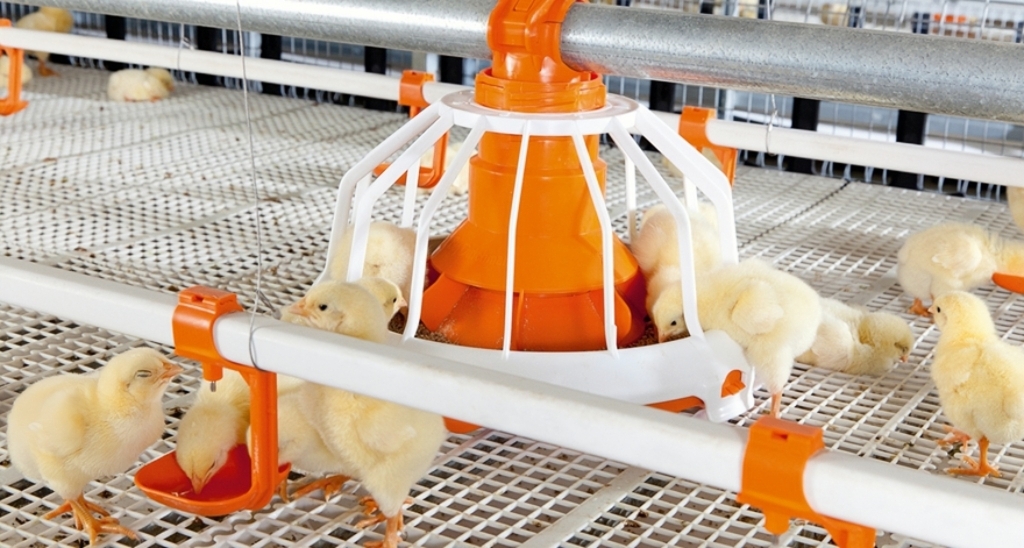
Step 1: Assemble the Feeder Pan Base (The Foundation)
The feeder pan base is the backbone of your setup—get this right, and the rest is a breeze:
1. Take the main feeder pan base frame and align the feeder pan support legs or brackets with the pre-drilled holes.
2. Insert feeder pan screws through the holes and hand-tighten first (this ensures proper alignment).
3. Use a screwdriver to secure legs/brackets firmly to the feeder pan base—do not over-tighten (this can strip feeder pan holes or crack plastic models).
For Wall-Mounted Feeder Pans:
• Attach feeder pan brackets to the feeder pan base first.
• Use a level to mark straight pilot holes on the wall.
• Secure brackets with wall anchors and screws for a stable feeder pan installation.
Step 2: Attach the Feeder Pan Food Tray
The feeder pan tray is where feed goes—so a secure fit is non-negotiable to prevent spills:
1. Align the feeder pan tray with the base (most have grooves or tabs for easy matching).
2. Slide the feeder pan tray into place until it clicks or sits flush against the base.
3. Use extra feeder pan fasteners (screws/clips, if included) to lock the tray in position.
4. Double-check: Give the feeder pan tray a gentle wiggle—if it wobbles, adjust alignment or tighten feeder pan fasteners.
Bonus: If your feeder pan has a removable tray (for easy cleaning), ensure the attachment is secure but still easy to take apart later.
Step 3: Adjust the Feeder Pan Height (If Applicable)
Many feeder pans (especially for poultry/livestock) have adjustable heights to grow with your animals:
1. Set the feeder pan legs to your desired height—use a measuring tape to ensure all legs are equal, or a level to check the feeder pan tray is even.
2. Lock the height in place using the feeder pan’s built-in mechanism (pin or screw).
3. Test it: Push gently on the feeder pan tray—if it stays put, you’re good to go!
Why It Matters: Raising the feeder pan keeps feed away from dirt and waste, reducing contamination.
Step 4: Final Feeder Pan Check & Testing
Before using your feeder pan, run through these quick checks:
1. Shake the feeder pan gently—if it wobbles, tighten loose feeder pan screws or adjust legs.
2. Confirm the feeder pan tray is fully attached and doesn’t shift when touched.
3. Add a lid/cover (if your feeder pan includes one)—this protects feed from moisture and pests!
Test with Actual Feed:
• Pour a small amount of feed into thefeeder pan tray.
• Check for leaks between the feeder pan tray and base.
• For automatic feeder pans (connected to a hopper), test feed flow—adjust to avoid waste or underfeeding.
Step 5: Feeder Pan Maintenance Tips (Keep It Working Like New)
To extend your feeder pan’s lifespan, follow these simple tips:
• Clean the feeder pan tray regularly with warm, soapy water (prevents mold/bacteria).
• Tighten feeder pan fasteners periodically (they can loosen with use).
• Protect outdoor feeder pans from rain/snow (cover or move to shelter).
• Avoid extreme heat for plastic feeder pans (direct sunlight causes warping).
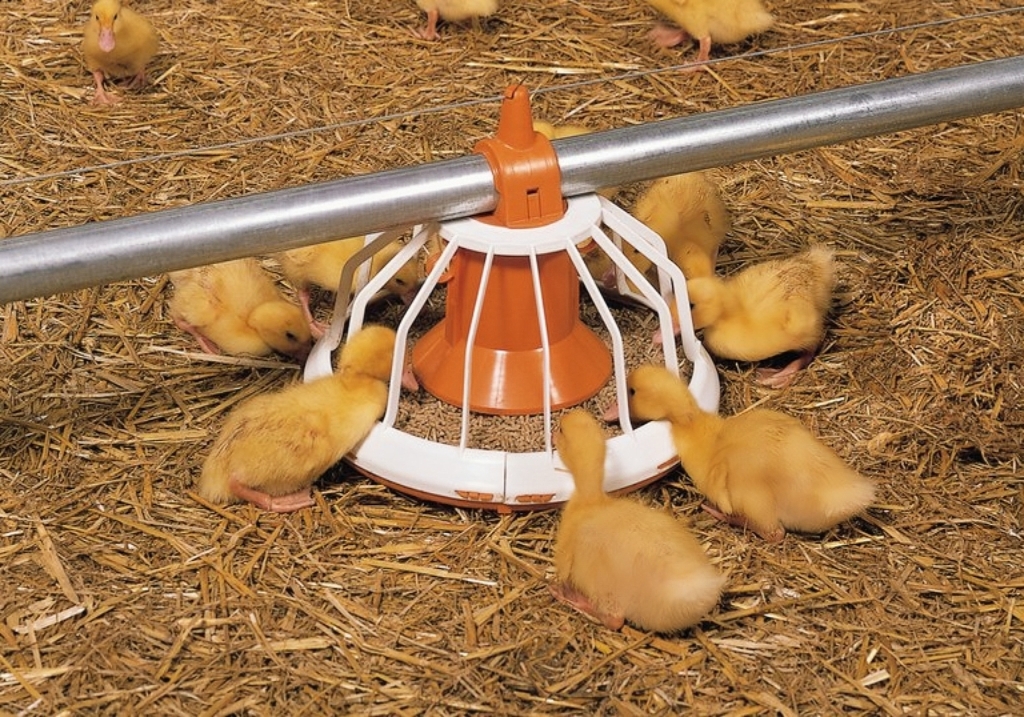
You’re Ready to Use Your Feeder Pan!
Assembling a feeder pan doesn’t have to be intimidating—breaking it into these steps makes it quick and stress-free. Whether you’re a seasoned farmer assembling a new feeder pan or a first-time pet owner setting up your very first, this guide gives you the confidence to do it right.
A well-assembled feeder pan saves time, cuts down on waste, and keeps your animals happy and healthy. In just minutes, you’ll have a reliable feeder pan that works hard for years to come.
Grab your tools, lay out yourfeeder pan parts, and get started—your animals (and your wallet) will thank you for investing in a quality feeder pan setup!
View More information about chicken farm



View our Youtube More breeding equipment video
Phoenix Breeding Equipment: 20+ years of breeding equipment production and export experience. As a result of our high-quality products and outstanding customer service, we have gained a global sales network reaching Europe, North America, Southeast Asia, Africa, South America, etc. Successfully in use on both family-owned farms and large farm complexes. Providing individual and automatic equipment to feed your livestock: chicken drinking line, chicken feeding line, poultry drinker and feeder, exhaust/ventilation fans, egg Incubator, and so on breeding equipment.
CONTACT US
Phone:+86 19061974162
Email: sales@goldphoenixa.com
Pulished on Jul. 23, 2026
Pulished on Jul. 21, 2026


Copyright © Cangzhou Phoenix Breeding Equipment Co., Ltd. All Rights Reserved | Sitemap | Powered by


