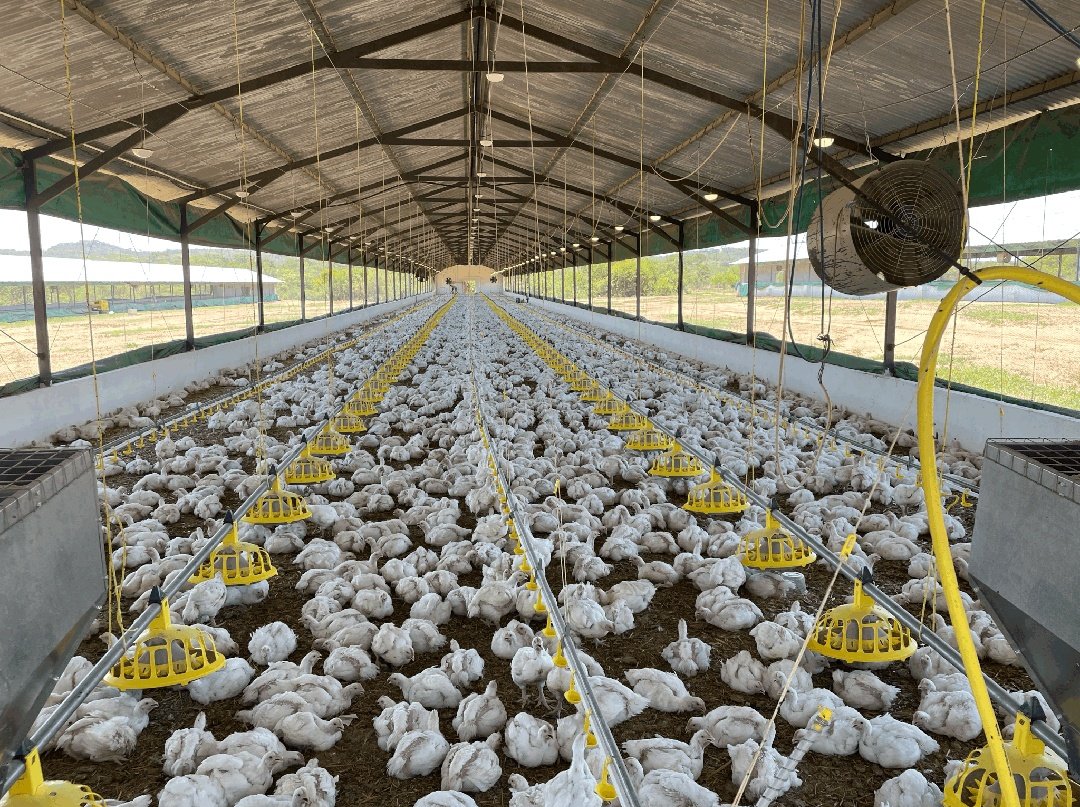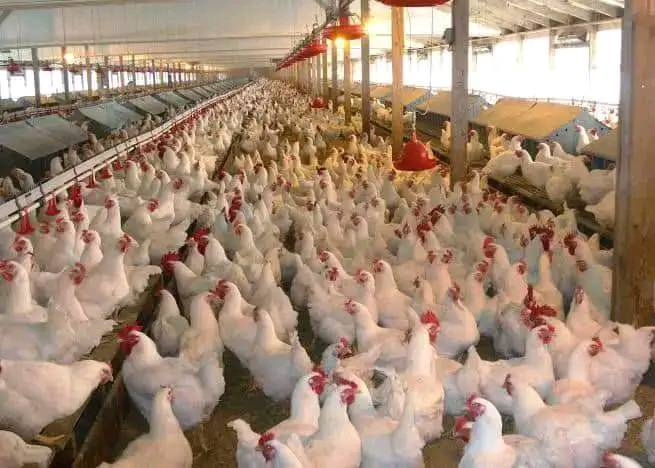
To optimize your poultry feeding system, feeder pans are the ideal choice. As a core part of modern poultry feeder equipment, they manage feed distribution, cut feed waste, and ensure every bird gets equal feed access. Feeder pans combine feed storage and delivery, fitting any setup—from small coops to large commercial farms—enhancing feed management and boosting feed value.
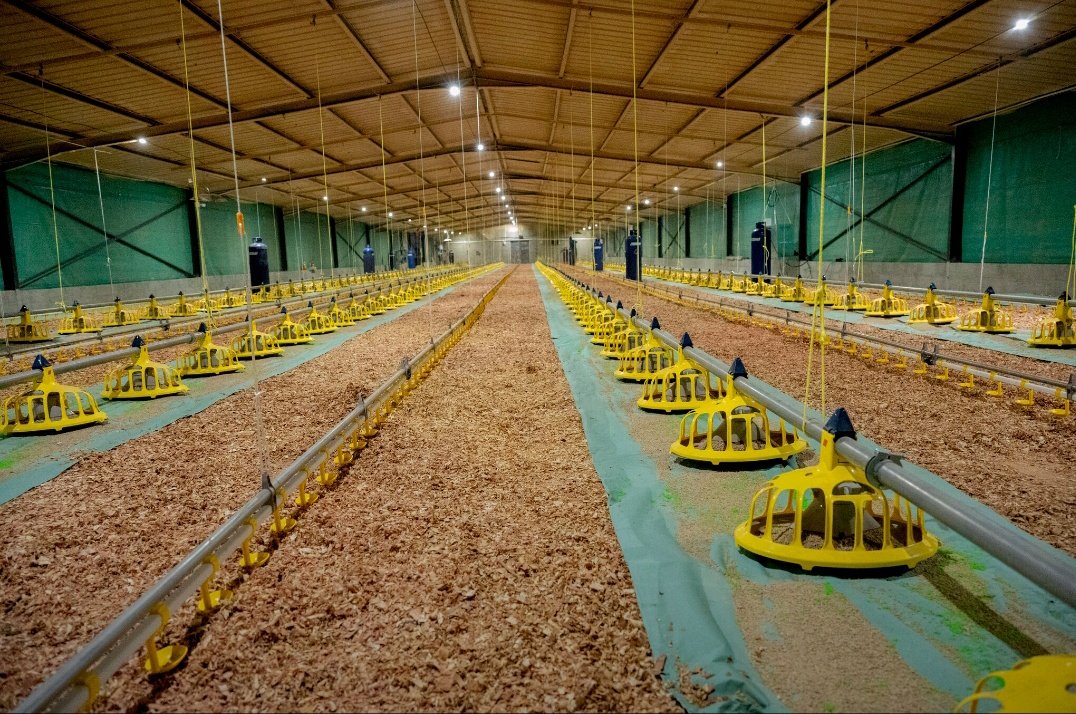
What Is a Feeder Pan, and How Does It Work?
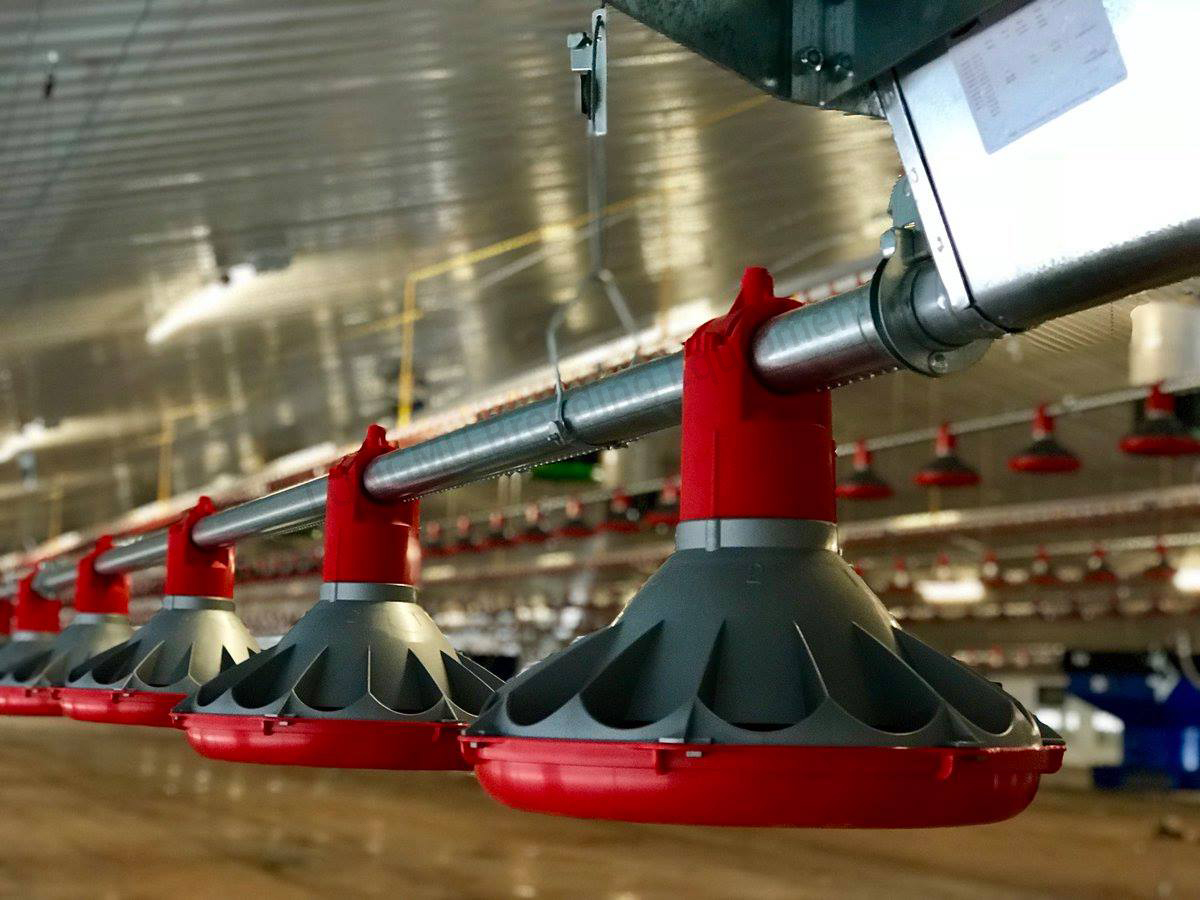
A feeder pan is a specialized poultry feeder device that holds, distributes, and protects feed, ensuring fresh, clean feed for every bird. Unlike wasteful, unhygienic open troughs, its shallow, enclosed design contains feed, prevents spillage, and preserves feed quality. It works with manual or automated feeder systems, versatile for small to large-scale feeder setups. Most feeder pans are made of durable, food-grade materials, easy to clean to maintain feed hygiene and extend feeder lifespan. High-quality models have grilles/covers to control feed access, preventing feed waste and debris contamination, while reducing feeder maintenance and feed refills.
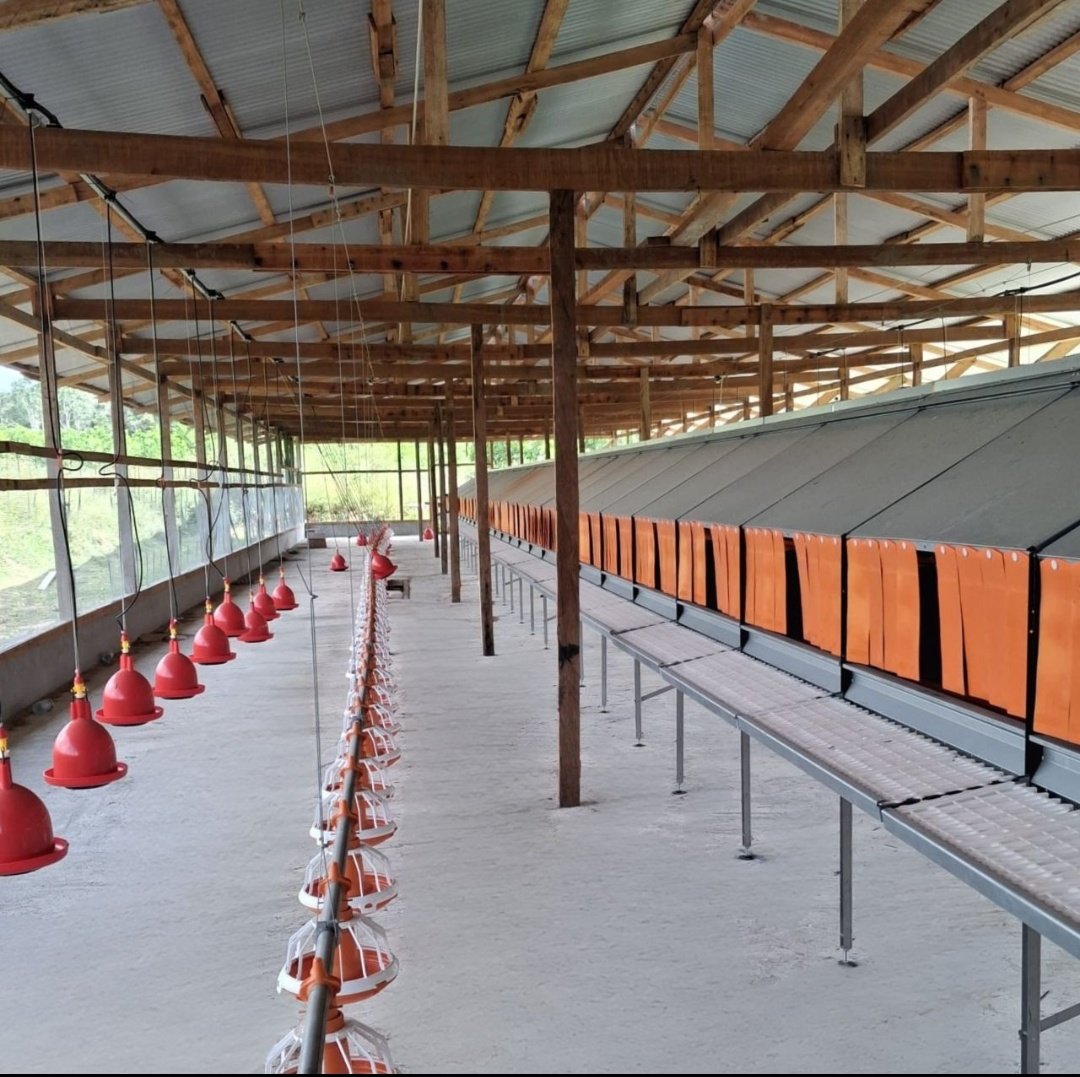
Core Benefits of Using Feeder Pans for Poultry Feeding
1. Dramatically Reduce Feed Waste
Feeder pans’ top benefit is minimizing feed waste and ensuring uniform feeding. Their enclosed design keeps feed contained, preventing birds from spilling or soiling it, while ensuring every bird gets the right amount of feed—improving feed conversion rates and flock health. They’re compatible with all poultry feed types (pellet, crumble, mash), with smooth feed flow and easy access. This versatility makes them ideal for any feeder system, reducing feed contamination risk and cutting medication costs. 2. Ensure Uniform Feeding for All Birds
Small farms/backyards use standalone feeder pans—easy to install, refill, and maintain, perfect for small flocks. These compact feeder pans let you check feed levels and refill without disrupting birds. 3. Keep Feed Clean and Contamination-Free
Choose feeder pans for durability and feed compatibility: stainless steel for long-term use, plastic for affordability. Look for adjustable grilles/feed levels to fit bird sizes and feed types, and ensure compatibility with your feeder system. Maintain feeder pans by cleaning regularly to remove feed residue and prevent contamination, and check for clogs/damage to avoid feed waste and ensure smooth feed flow. 4. Simplify Labor and Maintenance
Maintenance is minimal: feeder pans are easy to remove, clean, and reinstall, with durable construction resisting poultry damage—cutting labor costs for farmers.

Suitable Scenarios for Feeder Pans
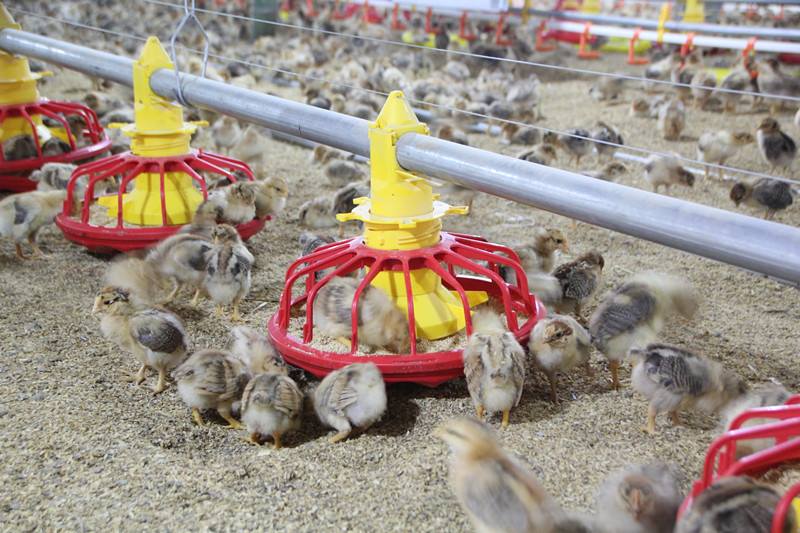
Feeder pans are highly versatile and work for all types of poultry farms, regardless of size or flock type: Small farms use standalone feeder pans—lightweight, portable, perfect for small flocks of laying hens or broilers, with no complex equipment needed. Medium/large farms use feeder pans with automated feeding lines, connecting to central feed silos/hoppers for even feed delivery to thousands of birds. Feeder pans are also suitable for all poultry stages, from chicks (with smaller, adjustable grilles) to adult birds (with larger access points), making them a long-term investment for any farm.
Tips for Choosing and Using Feeder Pans
To get the most out of your feeder pans, follow these practical tips: Choose material wisely: stainless steel feeder pans for long-term commercial use, plastic for affordable small-scale/temporary setups. Match feeder pan size to your flock: smaller pans with narrow grilles for chicks, larger pans for adult birds. Mount feeder pans at bird back height, adjusting as they grow to prevent feed spillage and ensure easy access. Clean feeder pans daily to remove feed residue, sanitize weekly, and check for cracks to avoid feed waste or bird injury.
Final Summary
Feeder pans are essential poultry feeder equipment, optimizing feed management, cutting feed waste, and improving flock health. They fit any farm size, making the most of feed investments and reducing labor costs. High-quality feeder pans are a smart investment—minimizing feed waste, ensuring uniform feed access, and simplifying feed management, turning feed into healthy, productive birds for sustainable farming.